Life has a funny way of shifting beneath your feet when you least expect it.
One moment you are navigating the usual chaos of daily life. Parenting, working and planning for the future fill your days. Then, in an instant, everything changes.
For me, that shift came during a stroke like episode. My mobility disappeared. My voice was gone. Alongside that, I lost a sense of who I was.
Have you ever felt like your body has its own agenda? Perhaps you have been dismissed by a system that is supposed to care for you. If so, this story may resonate with you.
These experiences shaped a journey that took me from not recognising my own children to founding Wellness Without Barriers. Today, that space provides accessible and gentle support for every body and mind.
The Day the World Went Quiet
It started with a sensation I can only describe as a total system failure. Hospital staff rushed me to hospital when I developed symptoms that looked, felt and acted exactly like a major stroke.
Walking became impossible. Speaking was equally difficult. Perhaps the most terrifying part was the cognitive erasure.
I looked at my partner and my children and saw strangers. The connections in my brain that held the map of my life had simply disconnected.
An emergency room is a place of high intensity action. For me, however, it quickly became a place of profound confusion.
Scans and tests ruled out a structural stroke and a brain bleed. Once those results came back, the urgency faded. I was not dying, yet I certainly was not “fine”.
Eventually, the hospital sent me home with a diagnosis I had never heard of: Functional Neurological Disorder (FND).
How was this life changing condition explained to me? It wasn’t.
Instead, a healthcare professional handed me a single leaflet and sent me on my way. There was no follow up plan. No rehabilitation roadmap. Just a piece of paper and a quiet “good luck”.
Navigating the “Software” Glitch
FND is often described as a software problem rather than a hardware problem. My brain’s structure was intact, yet the signals reaching my body were scrambled.
Think of a computer with a working monitor and keyboard. Everything appears functional. However, the operating system crashes every few minutes.
Medical support was limited. As a result, my partner became a self taught expert.
Night after night, he researched the condition. He wanted to understand what was happening to the woman he loved. Together, we were left to navigate a neurological maze in the dark.
Recovery was not quick. Learning to walk and talk again took two long years.
Shortcuts did not exist. High performance hacks were nowhere to be found. Instead, progress came through the slow process of retraining my nervous system.
Every milestone mattered. The first toe movement brought hope. A clear syllable felt like a breakthrough. A few steps across the living room became a victory.
Along the way, I learned the true meaning of resilience.
Resilience is not about powering through. Neither is it about crushing goals. Sometimes it means showing up for yourself at your lowest point.
On other days, success looks like resting. At times, trying one more time is enough.
The GP Visit That Changed Everything
Around a year into my recovery, I was struggling with the physical reality of my situation.
Four stone had crept on. Medication played a role. Months spent bedridden also had an impact. At the same time, my nervous system was under immense strain.
Looking in the mirror became difficult. My body had changed. Pain had become a daily companion.
Hoping for support, I booked an appointment with my GP. Perhaps there would be advice. Maybe a referral to someone who understood mobility challenges and metabolic health.
Instead, my GP responded with a dismissive shrug..
“You should just join a slimming group,” he said.
Those words hit hard.
At that point, speaking was still a struggle. My legs remained shaky from the effort of reaching the surgery. Frustration quickly turned into anger.
I had fought to regain the ability to speak. Yet I was being told to count syns or points. The reality of my condition was being overlooked.
That moment became a turning point.
Suddenly, I realised the wellness industry was not designed for people like me.
Many services assume predictable energy levels. Others expect people to exercise without barriers. Too often, chronic illness and disability are treated as an afterthought.
My lived experience told a very different story.
Why Wellness Needs to Be Without Barriers
That dismissive GP visit planted the seed that eventually grew into Wellness Without Barriers.
If I felt isolated and misunderstood, I knew thousands of others must feel the same way.
As a result, I set out to create the support I never had.
- Gentle and realistic: No “no pain, no gain” rhetoric.
- Accessible: Strategies that still work on your most difficult days.
- Non judgemental: A space where weight, energy levels and limitations are met with compassion rather than criticism.
Living with FND taught me that wellness is an ongoing practice of self advocacy.
Over time, I learned to listen to my body’s quieter signals before they became louder flares. Equally important was finding a pace that felt sustainable.
Breaking free from the boom and bust cycle did not happen overnight. However, small changes gradually made a difference.
Building a New Narrative
Today, I use my experience to support people who find traditional health advice overwhelming.
Many live with FND, Fibromyalgia, Long Covid or other conditions that affect energy levels from day to day. Whatever your circumstances, you do not need to force yourself into a rigid system.
Instead, the system should adapt to you.
One example is The Gentle Habit Audit. This approach looks at daily life and identifies ways to make things easier rather than harder.
Perfection is never the goal. Peace is.
Learning to walk and talk again was the hardest challenge I have ever faced. At the same time, it gave me the clearest sense of purpose I have ever known.
That experience taught me that our worth is not measured by productivity. Neither is it defined by fitness.
Every person’s value already exists. It does not need to be earned.
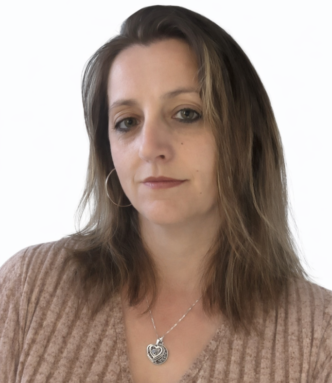
You Are Not Alone
Have you been sent home with nothing more than a leaflet? Perhaps you have been told to “just” do something that feels impossible. Maybe you are exhausted from trying to keep up with a world that never seems to slow down.
If any of that sounds familiar, I see you.
My story is one of recovery, but it is also one of adaptation.
Flare days still happen. Managing my energy remains important. The difference is that I now approach those challenges with far more kindness than I once did.
That is exactly what I hope to share with others.
If you are looking for a more compassionate approach to health and wellbeing, I would love for you to explore my Gentle Thoughts. You are also welcome to get in touch to learn more about how we can work together.
Together, we are redefining what it means to be well.
Each gentle step matters.
Wellness should be accessible for every body and mind.