Article By: Gemma Davies
Founder of Wellness Without Barriers
Disability-aware nutrition & gentle wellbeing support
“Have you tried doing a bit more?”
It is a question many people living with chronic illness or disability hear far too often. Behind it sits an assumption that doing more is always the answer, that more effort leads to more progress, and that rest is something to earn, rather than something we need.
In a world that celebrates productivity, rest has quietly become misunderstood.
For many, rest is associated with laziness, lack of motivation, or even failure. It is something squeezed in at the end of the day, once everything else has been completed. Something that must be justified.
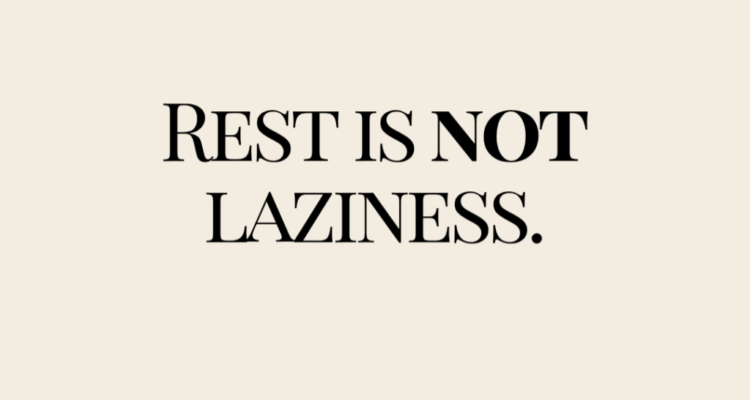
But rest is not a luxury.
It is a necessity.
And more than that, it is a vital part of maintaining stability in daily life.
The Problem with Productivity Culture
We are surrounded by messages that equate worth with output.
Phrases like “stay busy,” “keep going,” and “don’t give up” are seen as motivational — and for many people, they can be.
But for those living with chronic illness, these messages can create an ongoing internal conflict.
They can lead to pushing beyond limits, ignoring early signs of fatigue, and overriding the body’s signals in an attempt to meet expectations.
Over time, this approach does not build strength.
It leads to exhaustion.
The Guilt Around Rest
- “I should be doing more.”
- “I haven’t achieved anything today.”
- “Other people manage — why can’t I?”
What Rest Actually Means
Rest is often misunderstood as simply doing nothing.
In reality, rest is much broader than that.
It can include:
Physical rest
Allowing the body to recover from movement, fatigue, or pain.
Mental rest
Stepping away from concentration, decision-making, and cognitive load.
Sensory rest
Reducing exposure to noise, light, and stimulation — particularly important for neurological conditions.
Understanding rest in this way allows it to become intentional, rather than reactive.
It is not just what happens after exhaustion.
It is something that can be built into daily life.
Why Rest Is Essential, Not Optional
For people living with chronic illness, rest is not simply about comfort.
It plays a direct role in symptom management.
Regular, intentional rest can:
- Help prevent energy crashes
- Reduce the intensity of flare-ups
- Support the nervous system
- Improve overall stability
Without adequate rest, the body is more likely to enter cycles of overexertion and recovery — often described as the “boom and bust” pattern.
Rest helps to interrupt that cycle.
It creates space for the body to function more sustainably.
Learning to Rest Without Guilt
Shifting the way we view rest is not always easy.
It often requires unlearning years of beliefs about productivity and self-worth.
But there are small, practical ways to begin:
Rest before exhaustion
Instead of waiting until symptoms become overwhelming, incorporate short periods of rest throughout the day.
Make rest intentional
View rest as part of your routine, not something reserved for when things go wrong.
Redefine productivity
On some days, maintaining stability is the achievement.
Practice self-compassion
Speak to yourself with the same understanding you would offer someone else.
Redefining Strength
Perhaps the most important shift is redefining what strength looks like.
Strength is often associated with endurance, persistence, and pushing beyond limits.
But for those living with chronic illness, strength can look very different.
It can look like recognising when the body needs to pause.
It can look like choosing rest instead of pushing through.
It can look like setting boundaries that protect energy and wellbeing.
These choices are not signs of weakness.
They are awareness.
They are acts of respect for the body.
They are acts of long-term resilience.
Because real wellness is not built on how much we can force ourselves to do.
It is built on how well we support ourselves in a way that is sustainable.
And sometimes, the most important thing we can do is allow ourselves to rest — not as a last resort, but as a vital and valuable part of living well